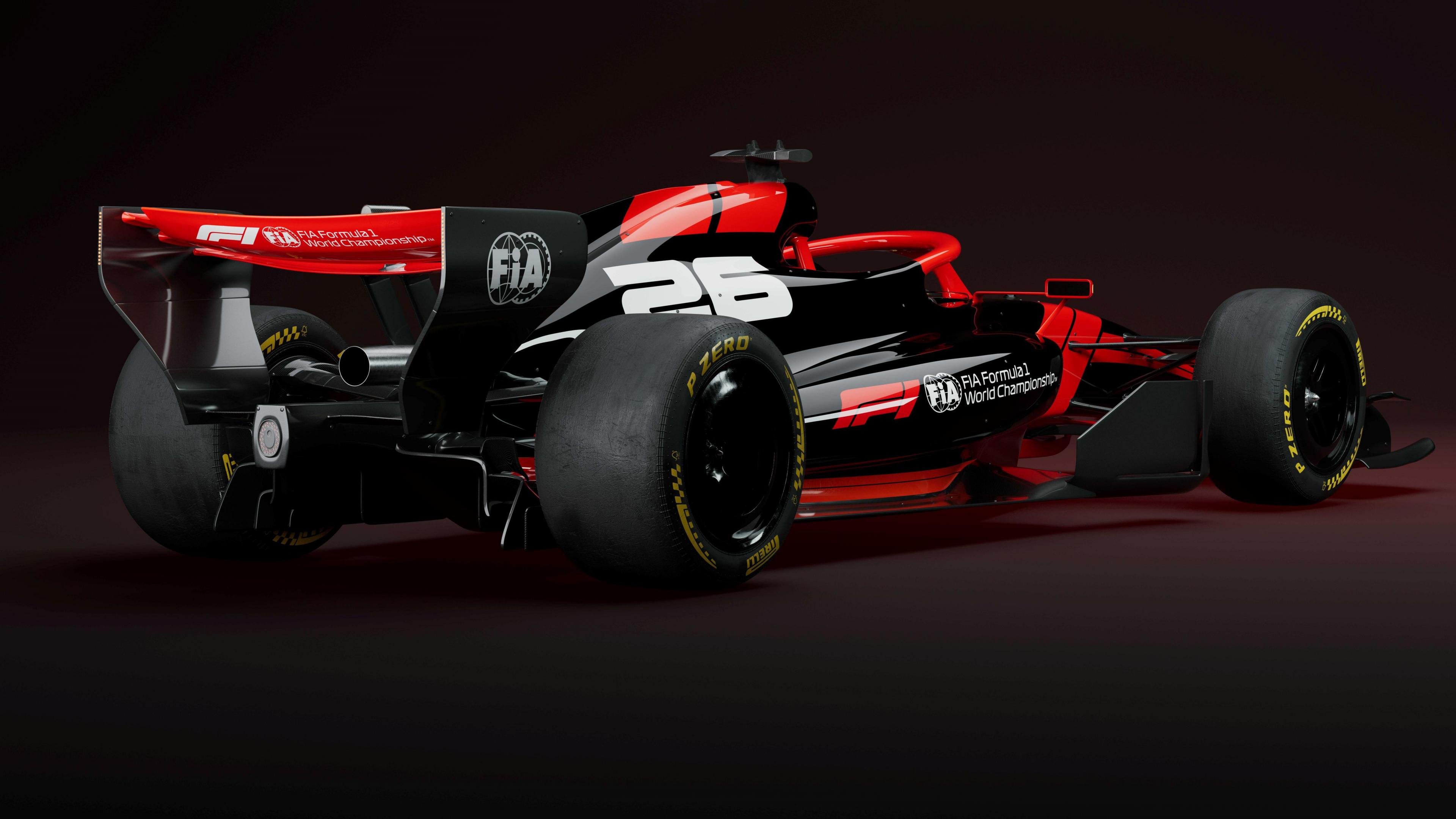
The vehicles for the 2026 season are expected to be smaller, nimbler and more environmentally friendly than this year.
The world of Formula 1 has introduced the new vocabulary that will be used to explain the technical complexities of its revolutionary 2026 technical rules.
The championship is introducing what is considered the largest rules overhaul in its long history starting in 2026, featuring new chassis and engine rules and the required adoption of 100% sustainable fuels.
The revised engines, which retain the hybrid V6 layout, boast a greatly enhanced energy storage, necessitating major innovations in the vehicles' aerodynamic design.
During grand prix events, pilots will tactically deploy battery power – potentially on flying laps – to secure the peak result.
Broad surveys were conducted with a diverse audience, including new, casual and core fans, to identify which terms would make things clearer of the main elements of the upcoming rules.
The stated goal was to render a set of intricate technical aspects of the sport as accessible as possible for the broadest viewership.
Consequently, previous placeholder terms for certain devices – such as "x-mode and z-mode" for the adjustable aero – have been abandoned in preference for descriptive names that clearly indicate the real-world effect of the technology.
Exploring the New Tech
The FIA states that drivers will have greater control to determine tactics regarding energy deployment, regeneration, and conservation.
The upcoming changes mandate a range of settings that will be visually displayed on television graphics to aid the viewers' comprehension of the strategic duel.
- Attack Mode: This supersedes the existing Drag Reduction System. It provides a surge of additional ERS power available when a driver is less than a second the leading car to facilitate an overtaking maneuver.
- Extra Push Mode: This is a driver-operated energy deployment from the energy recovery system that can be utilized during offensive or defensive moves. It provides the pilot maximum power at the push of a button.
Both of these strategic tools will have to be deployed strategically, as the overall battery capacity is capped.
- Adjustable Aero: Both the front and rear wings move automatically – opening on the straights for reduced drag and top speed, and sealing in the corners for maximum downforce.
- Battery Recharge: Drivers can recharge the energy store with regenerative braking, or during throttle lift at the straight's end or in corners where only reduced throttle is used.
What's Changing on the Cars?
The vehicles for the new era will be more compact and lighter than this year, with a wheelbase reduced by 200mm to 3,400mm, car width reduced by 100mm – down to 1,900mm – and the car weight reduced by 30kg.
Overall downforce is projected to decrease by approximately a significant margin, although squads will undoubtedly recover some as they develop their cars.
Air resistance has been slashed by 40%. The cars will feature moveable wing elements – both wings will move on the straight sections to improve speed and increase straightline speed and revert into place for optimal grip in corners.
Tyres will retain 18-inch rims, but the rubber compounds will be narrower, by a quarter-centimetre on the front and three centimetres on the rear.
Power Unit Revolution
The 2026 engines will have an near-equal balance in energy output by the internal combustion engine and the battery and motor, up from about 20% battery contribution this year.
The hybrid system is streamlined through the deletion of the Motor Generator Unit – Heat, the sophisticated and pricey device that recovered energy from the turbo.
Every car on the grid will be obliged to compete on carbon-neutral fuel, manufactured from plant-based materials or synthetic industrial processes.


